Armenia, Russia to launch talks on railway restoration
 Alexander Pracht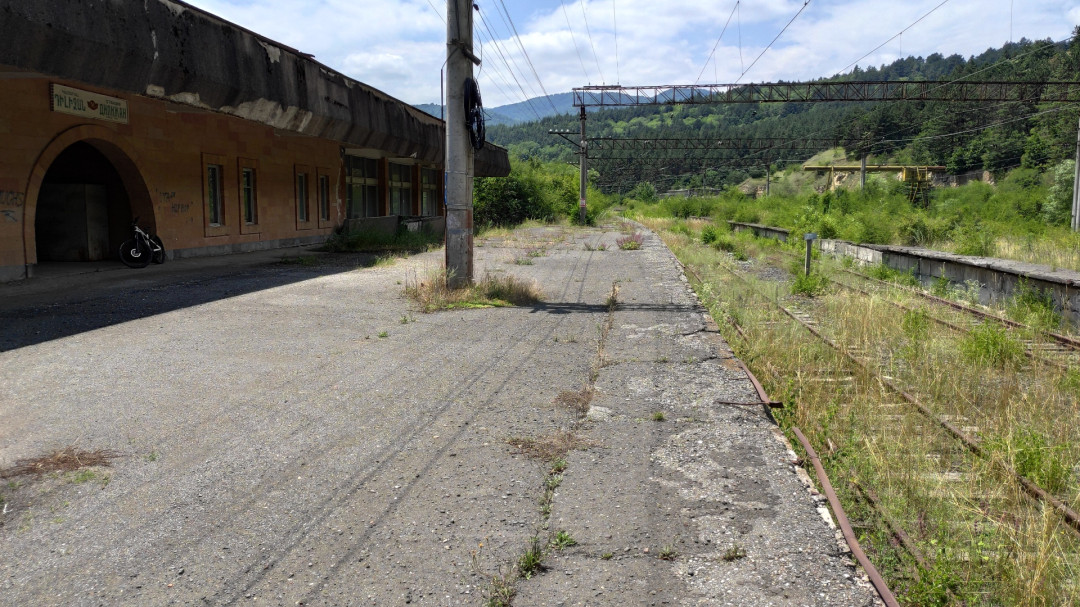
Yerevan and Moscow will soon launch negotiations on restoring two sections of Armenia’s railway system that would, once completed, reconnect the country’s rail grid to the borders with Turkey and Azerbaijan’s Nakhichevan exclave. This was announced on Thursday by Russia’s Deputy Prime Minister Alexey Overchuk.
“Having friendly and brotherly feelings toward the people of Armenia, the Russian Federation has decided to begin substantive negotiations,” Overchuk said.
Davit Khudatyan, Armenia’s minister of territorial administration and infrastructure, announced on Friday that the final agreement with Russia should be expected in the next few days.
Russia effectively controls Armenia’s railways. The infrastructure was ceded in 2008 to a subsidiary of the state-owned Russian Railways company, placing the network under Moscow’s management.
Following the launch of trade between Yerevan and Baku at the end of last year, and with the expected opening of the Armenian-Turkish border, Armenia is seeking to recreate rail connections with both countries that existed in the Soviet era. This would allow Armenia to trade with Azerbaijan in both directions without transiting through Georgia and paying Tbilisi’s tariffs. It would also enable more direct rail trade with third countries, such as Russia or Kazakhstan, via Azerbaijani territory.
Earlier in December, Prime Minister Nikol Pashinyan asked Russian President Vladimir Putin to instruct Russian Railways to carry out the restoration. Since then, Pashinyan has publicly stated several times that if Russia fails to deliver on the reconstruction works, Yerevan may reconsider the concession agreement and turn to an alternative contractor.
Notably, Overchuk did not mention a third, and arguably most important, section that runs northwest of Yerevan directly toward Azerbaijan proper. Abandoned since the late 1980s due to the first Karabakh war, the line was partially destroyed by hostilities and a later landslide.
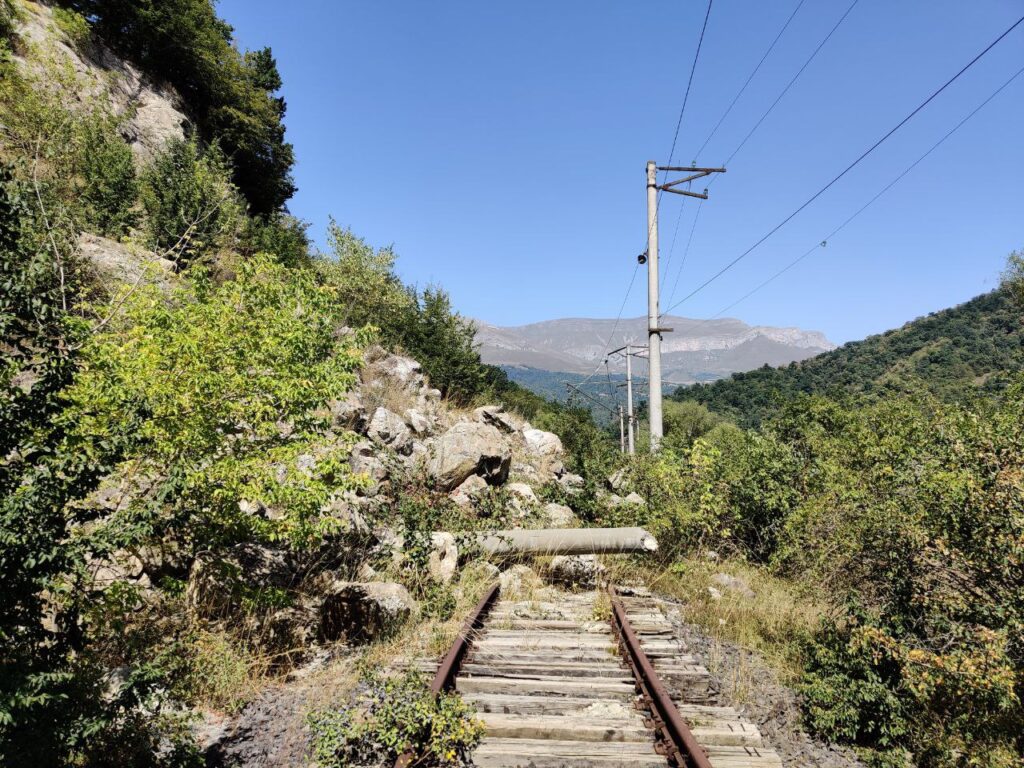
The restoration of that section had previously been raised by Pashinyan. If rebuilt, it would reconnect Yerevan with the towns of Dilijan and Ijevan, restoring a key cargo and passenger artery and potentially increasing tourist flows and overall connectivity. It remains unclear whether this project is currently under consideration.

 Stories