Between gunfire and resolve in Armenia’s border villages
 Civilnet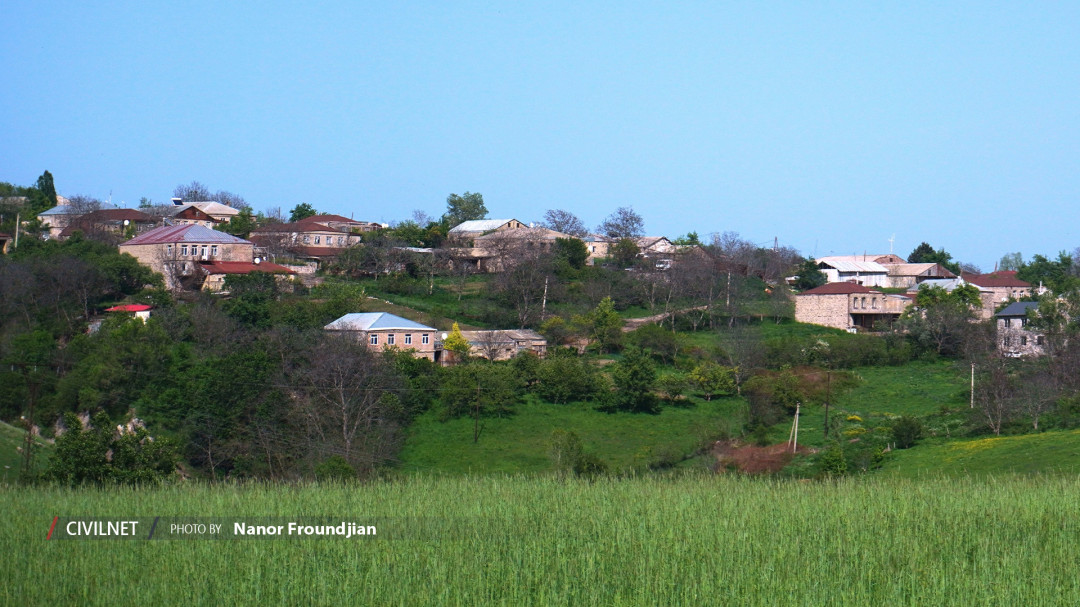
By Nanor Froundjian
Everyday life under constant threat
Azerbaijani forces have intermittently opened fire on Armenian villages in the Syunik Province since early spring, including Khnatsakh and Khoznavar villages, leaving residents fearful of what’s to come.
The list of targeted villages is growing. More recently, Movses Village in the Tavush Province was also targeted by gunfire, with strikes occurring at irregular hours.
The attacks have damaged homes and a cultural centre, and in at least one instance, a bullet pierced the glass window of a house.
Though no casualties have been reported, the sporadic firing over consecutive nights has shaken the residents, instilling an atmosphere of fear in Armenia's border regions once again.
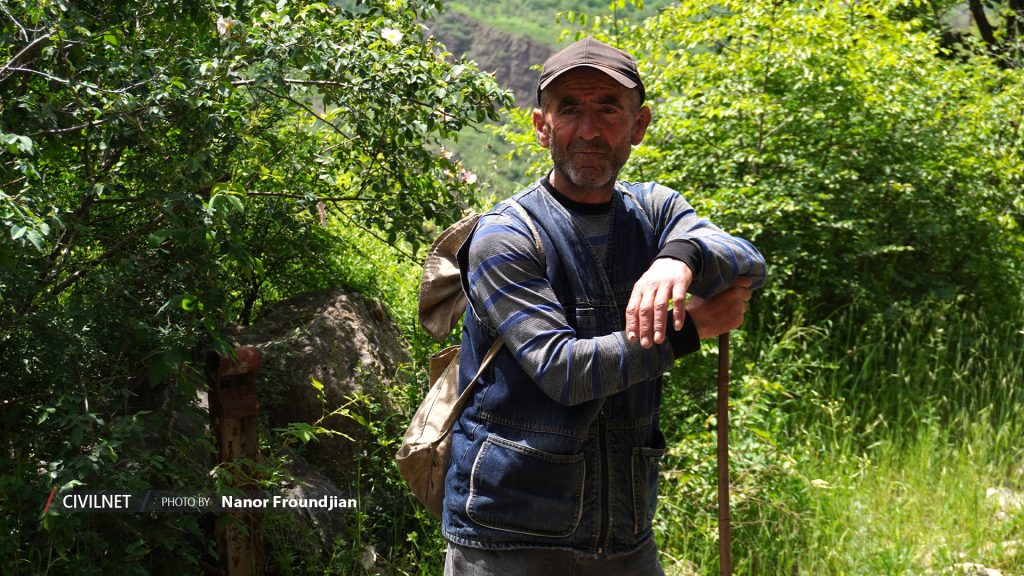
“Until we become stronger and fortify, there is no possibility to have peace. [Azerbaijanis] don't want peace – peace is a lie, especially when dealing with them,” said Vazgen Saghatelyan, a resident of Tandzatap, located almost 12 km from the border with Azerbaijan.
For its part, the Armenian government has downplayed some instances of gunfire, saying it doesn’t warrant an intervention, nor does it constitute a breach of the ceasefire agreement.
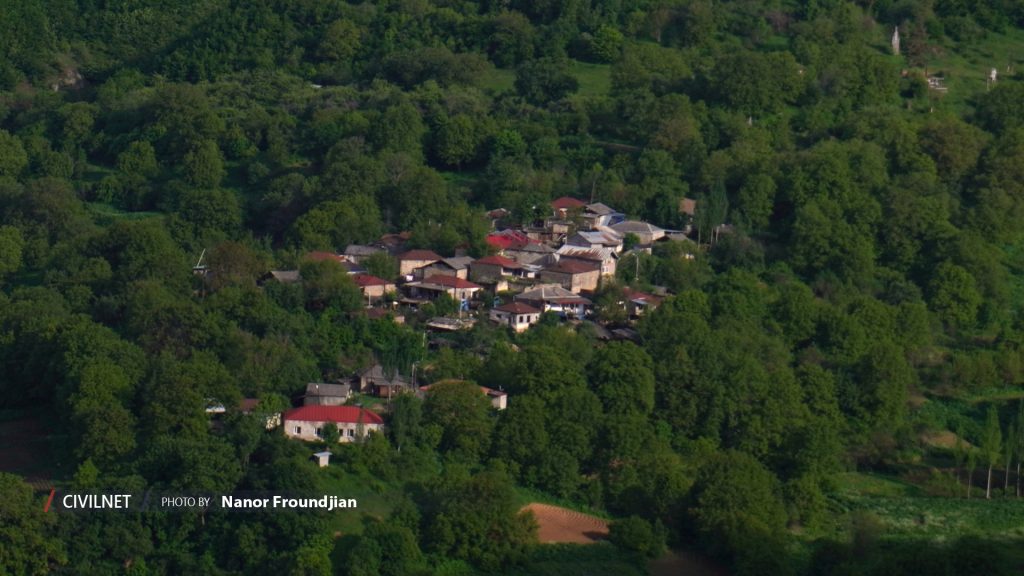
Leaders and residents of these villages, however, are concerned. Davit Ghulunts, head of the Tegh Municipality, which oversees the administration of seven villages including Khnatsakh and Khoznavar, responded by urging officials to visit the villages to see the situation first-hand.
Border villages in Syunik have been living under threat for years now.
In 2022, after the Second Karabakh War, damage was reported in Karashen and Vaghatur villages, also part of the Tegh Municipality, as shootings targeted civilian infrastructure, electricity poles, and killed farm animals.
Despite the unprovoked threats, most residents in these villages have no desire to leave, and they say fear isn’t something that gets in the way of daily life.
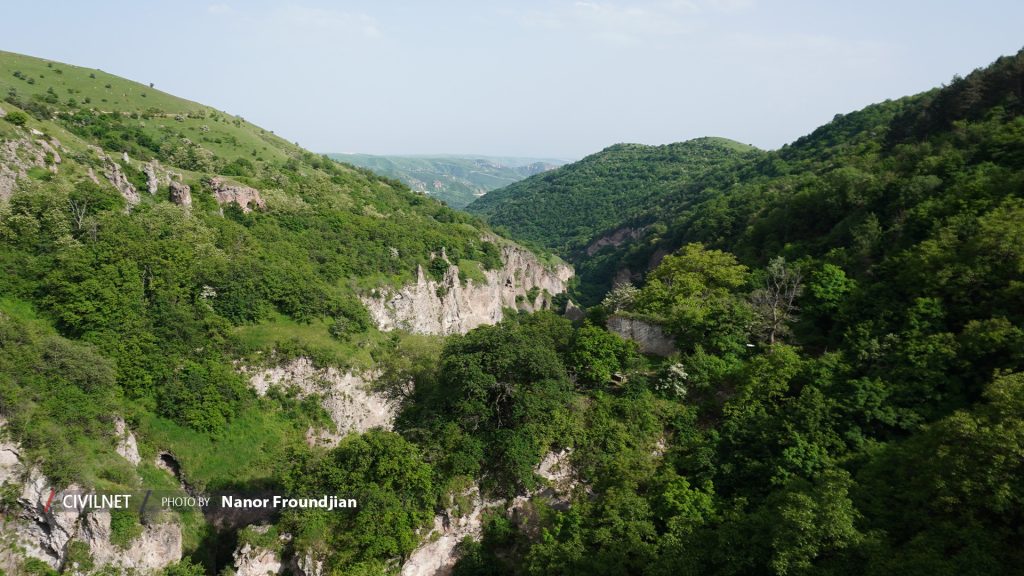
“We live life the way we always have,” said Nara Galdunts, a resident of Khndzoresk, one of Syunik's border villages. “We think about the danger from time to time, but we all love our motherland, our lands – so we don't let those thoughts get in the way too much.”
Galdunts owns a souvenir stand, complete with a spread of trinkets and packages of rose tea, hand-picked from surrounding areas.
“Where are we all supposed to go? Everyone has their home, their lives here – look what a beautiful place it is,” she said.
Armenia’s Defense Ministry has been routinely refuting allegations by Baku which claimed that Armenia opened fire on Azerbaijani positions.
“Azerbaijan is bound to certain obligations under international standards but they've infringed on those regulations a few hundred times, if not a few thousand times they've violated them,” said Andranik Yeghoyan, head of the department for the protection of the rights of servicemen and their families of the Republic of Armenia’s Human Rights Defender’s Office.
He explained that the constant firing not only prevents residents from their right to safely live on their land, but it also takes a psychological toll.
“We're constantly talking about the violations. The violations have started, but we see no end to them,” said Yeghoyan.
On the ground relief efforts
Various organizations and grassroots initiatives, both within and outside of Armenia, have dedicated efforts to reinforcing these villages against the peril looming on the horizon.
“We do need to prepare for the worst case scenario,” said Yon Nersessian, co-founder of Montreal-based Aghmoog Collective, which brings together artists and activists with the mission of advocating for the Armenian cause with an approach focusing on preventative measures.
Presently, the collective is raising funds to build a civilian bunker for residents living in Syunik’s bordering villages, which have been targeted by Azerbaijani forces. So far, they’ve reached one third of their current $30,000 goal and they hope to expand the project once that sum is secured.
Nersessian’s recent visit to Armenia in January fostered a newfound awareness on the gravity of safety and security as he passed through Syunik’s bordering villages where he spoke to locals he met along the way.
“I was amazed by how they live with it, and they find ways to keep going. They don't have any other place to go,” he said.
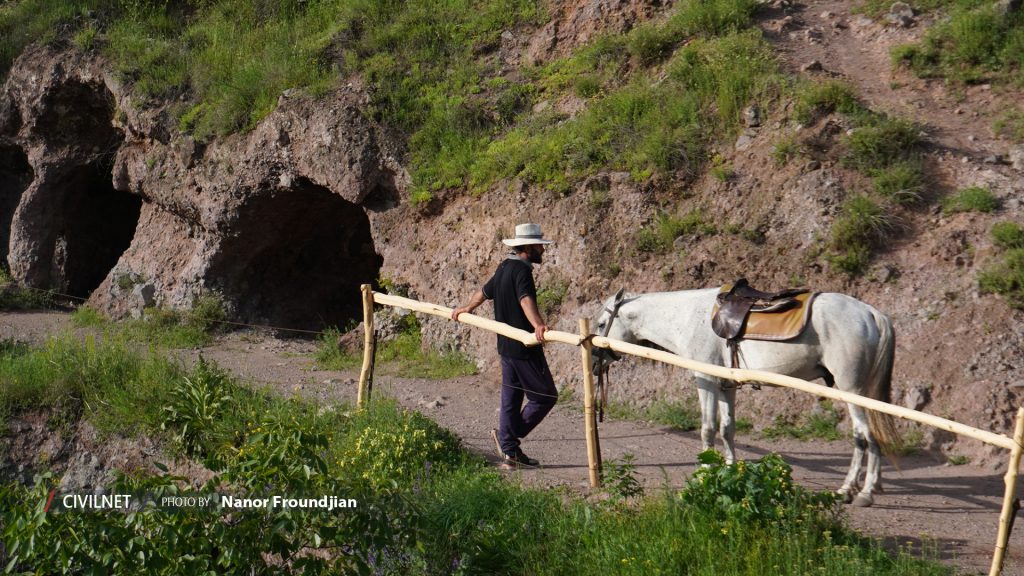
When he had asked them what they do in times of war, they had responded that for the time being, they could only resort to hiding in caves.
“It was heartbreaking, because I know that Azerbaijan is equipping itself with the most sophisticated weaponry right now,” he said.
Over in Europe, Charjoum, a Paris-based civil initiative dedicated to supporting and advocating for justice related to Armenian rights and issues, also undertook a similar project.
Working in close collaboration with bordering villages, Charjoum contributed to building about 15 civilian bunkers over the course of three months, since Azerbaijan began opening fire in March.
“We feel the situation is very tense. We feel it when we enter the village because we understand that we’re seen, we’re being watched. There’s a certain kind of pressure,” said Taline Kochayan, a member of Charjoum.
Even then, she admitted that as a diasporan, her grasp of the feeling doesn’t equate what the residents experience, living in a constant state of vigilance.
Despite Azerbaijani military posts only a few hundred meters away, Kochayan couldn’t help but notice the sense of warmth and welcome in the villages.
“All they want is to stay. They want us to help them stay, because if the village empties out, it’ll give an opportunity for those across the border. So it's essential to preserve the life of these villages,” said Kochayan.
Currently, Charjoum is also leading an initiative to supply volunteer battalions with basic needs and additional resources to help preserve the frontlines of border villages.
“We all have a responsibility to act very quickly,” Kochayan added, mindful of the scale of loss in 2020 and 2023. “We have no choice but to be better prepared.”





 Stories