U.S. Pushes Corridor Deal Via Armenia, Carnegie Report Suggests
 Civilnet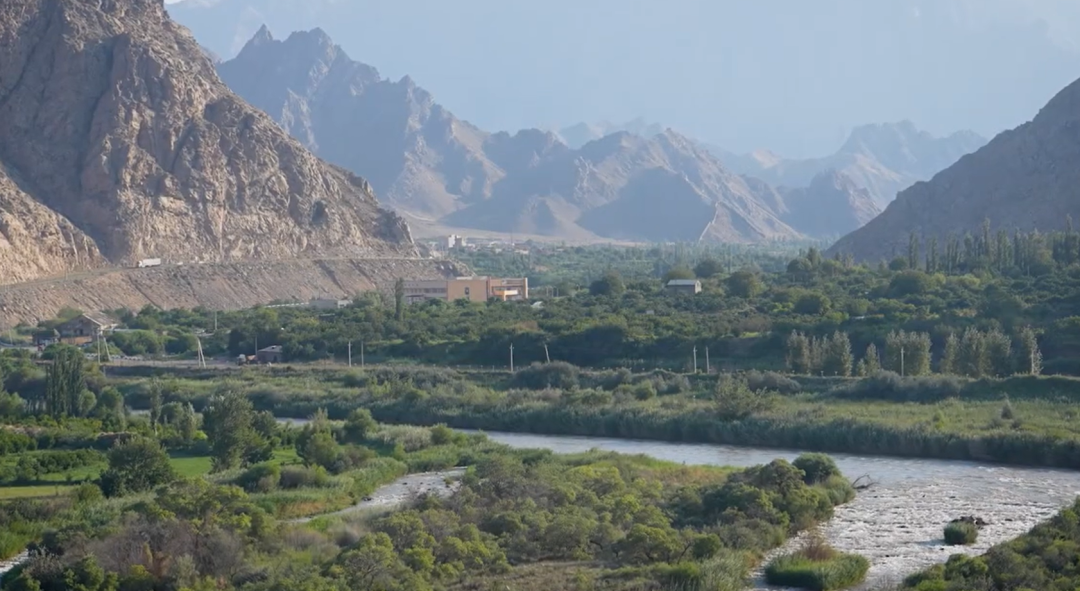
The Trump administration is circulating a proposal to break the deadlock over a transport link through Armenia’s southern Syunik province, offering a U.S.-run commercial operator as a neutral guarantor for the route sought by Azerbaijan and Turkey, according to an analysis by Olesya Vartanyan of the Carnegie Endowment for International Peace, who cites diplomatic sources familiar with the talks.
The plan, modeled on an earlier EU proposal, would place a U.S.-based logistics firm in charge of managing and monitoring cargo transit along the route, while sharing data with all sides. According to Vartanyan’s sources, the idea builds on the precedent of international oversight in Georgia’s breakaway regions and is intended to address Baku’s demand for long-term security guarantees while preserving Yerevan’s sovereignty over the corridor.
Azerbaijan insists on an internationally guaranteed link to its Nakhchivan exclave, but refuses to invest in infrastructure across Syunik without third-party assurances. Turkey backs Baku’s position, while Armenia insists it must retain full control over customs and security. Vartanyan notes that both Turkey and Azerbaijan are skeptical about the long-term reliability of Armenian political commitments, especially in light of potential leadership changes.
The U.S. model envisions American business interests as a stabilizing force, similar to a recent deal involving rare earth minerals in Ukraine. One U.S. official reportedly told Vartanyan that the plan could even lead to a Nobel Peace Prize for former President Donald Trump, suggesting that the initiative may become part of his broader foreign policy platform.
While no final decision has been made, Washington is reportedly weighing whether to pressure Baku to drop its constitutional demands on Armenia or to push Yerevan to accept the American corridor model before a final peace treaty is signed. The proposal comes amid a broader regional vacuum, as Russia’s influence has diminished and EU-mediated efforts have stalled.
Vartanyan concludes that U.S. involvement could be the only viable path forward, given the current geopolitical landscape, though it also signals a potential shift in the region’s balance of power.
Location

 Stories