Ohio University journalism professors lead workshops at AUA
 Civilnet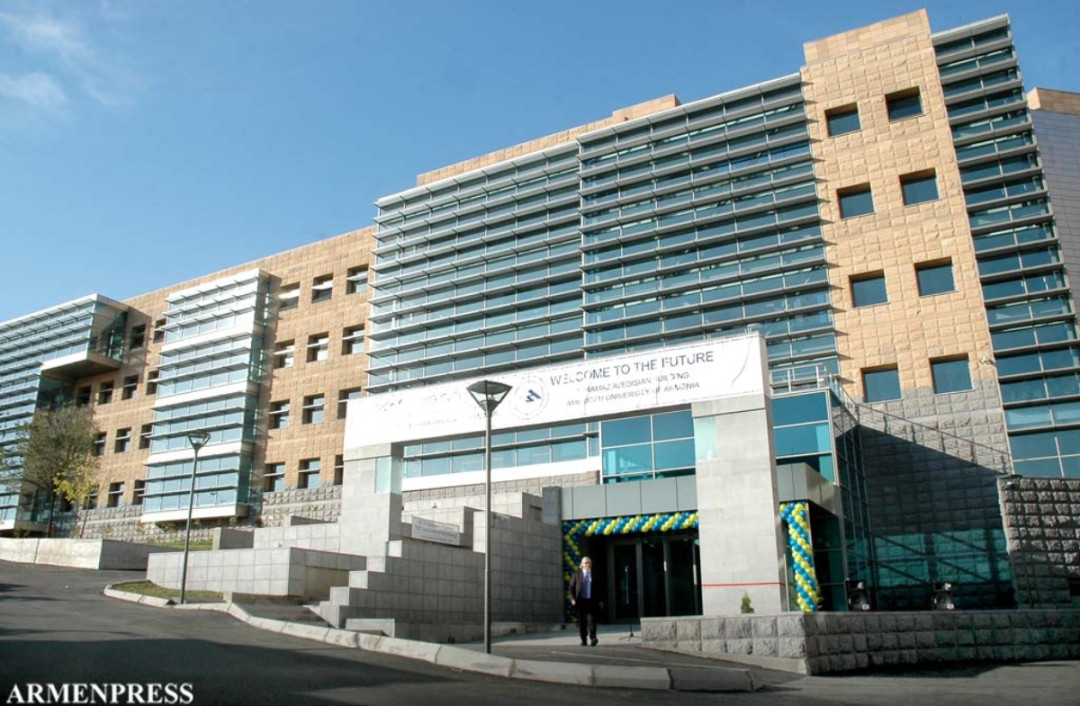
By Charlotte Snoonian and Minahil Arif
The Armenia Project (TAP) is hosting professors from the E.W. Scripps School of Journalism at Ohio University to conduct workshops on trauma and conflict reporting at the American University of Armenia (AUA). Throughout this week, three professors are holding lectures, discussions and interactive activities for students at AUA and local journalists.
The Yerevan-based Armenia Project has partnered with the AUA Center for Excellence in Journalism to host the discussions in classrooms for the students in the new Master’s in Multiplatform Journalism program, which launched this June. Scripps professors Mark Turner, Nerissa Young and Kevin Smith will lead their own session each night highlighting their personal backgrounds and skillsets.
With a focus on advancing communications in Armenia, TAP often collaborates with practicing journalists to share techniques and knowledge among new journalists and students.
The aim of this workshop is to explore how to report on trauma and conflict, while navigating the ethics around interviewing and reporting on trauma survivors.
Professor Nerissa Young teaches a Journalism Trauma class each spring at E.W. Scripps School of Journalism at Ohio University. At the workshop, she underscored the importance of using specialized techniques to effectively report on stories involving trauma.
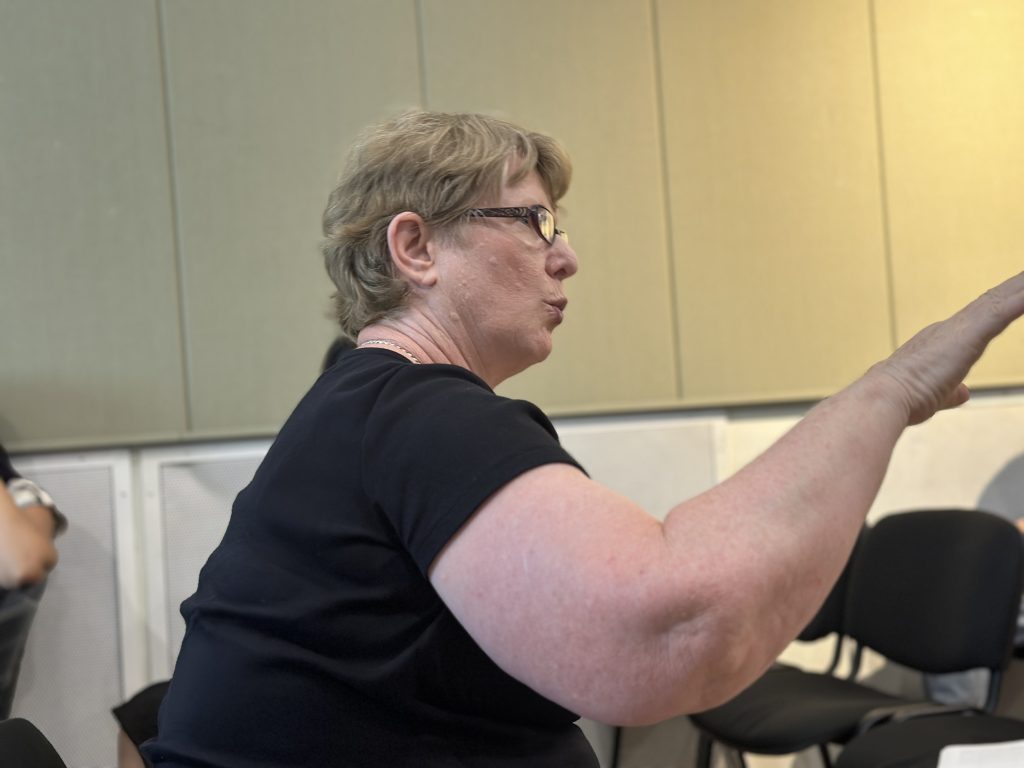
“[Trauma] is a terrifying feeling for a human being. And so telling your story to someone is giving that person control over this thing that has affected you so deeply,” she says.
On day one, students had the opportunity to participate in a mock interview with a trauma survivor. Acting as a survivor of a flood, Young responded to students’ questions as if it was a real interview. After, she led a discussion about what questions worked, what was missed and what could’ve been done better. For students, this was a unique opportunity to learn in a hands-on environment.
“We’re getting prepared beforehand because it is nerve wracking to interview people,” says 22-year-old AUA student Zhanna Kuroyan. “This gives that mental stability to know how to approach sensitive things, and then you go and do your interviews and the reporting more surely and more confidently.”
Assistant Professor Mark Turner has been practicing journalism for almost thirty years before teaching at the university. As a professor, he has focused much of his research on how word choice can affect the meaning of a story. During this week’s event, Turner is leading discussions about how journalists decide on what terms to use when reporting on conflict.
He noted the example of using the term “terrorist” versus “freedom fighter,” asking students how personal biases affect a journalist’s decision about which term to use. Students discussed how reporters on one side of a conflict might use one term, while the other side may use the opposite. The discussion presented students with many questions, including how journalists can define certain terms and how reporters can take biases out of their reporting.
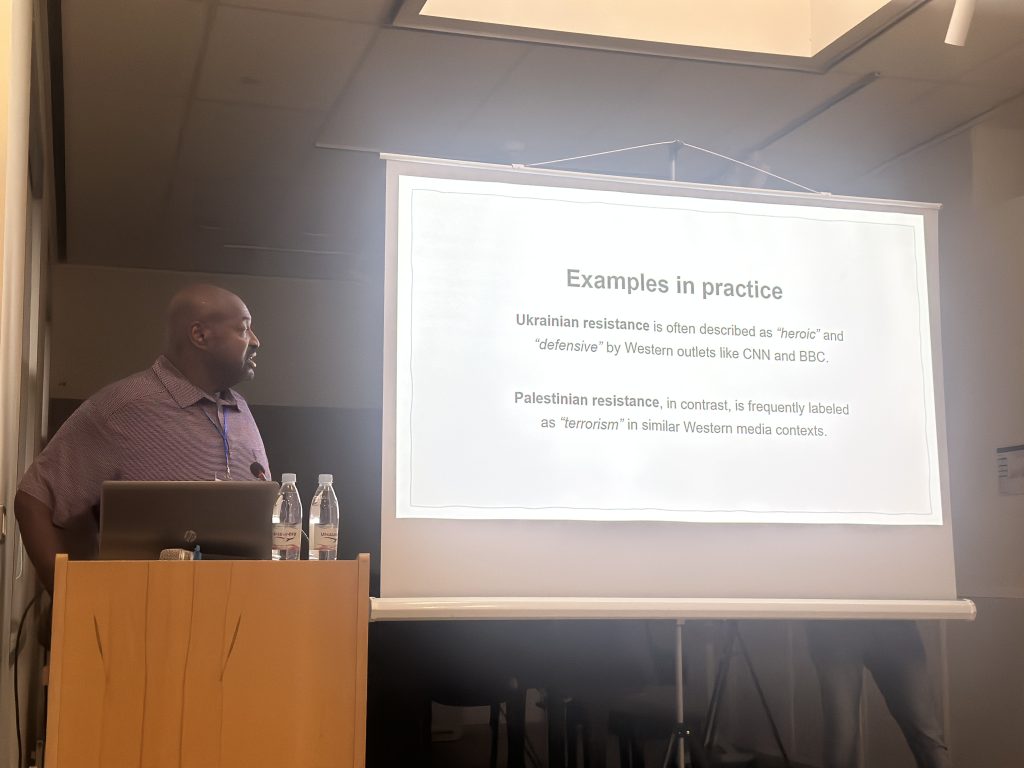
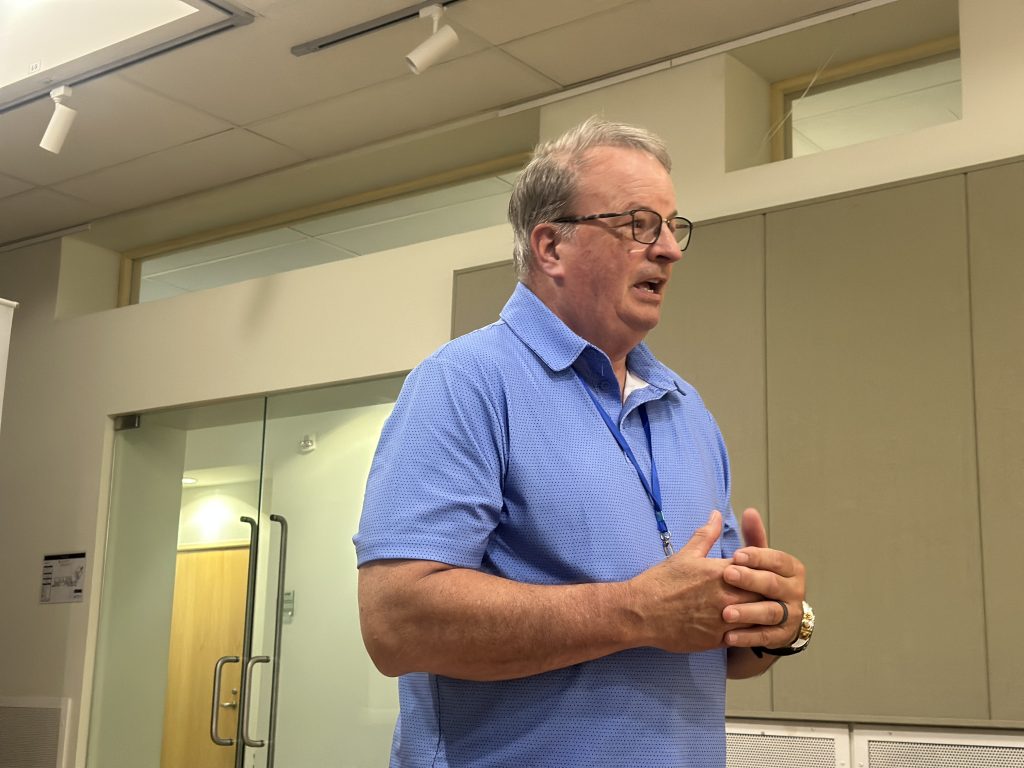
Professor Kevin Smith is discussing all-things ethics when it comes to journalism. At the workshop, he shared his insight into how journalists can rebuild and hold public trust, highlighting the need for journalists to remain free from any conflict of interest that could cause the public to lose trust in them, even if the journalist doesn’t let that conflict actually interfere with his or her work.
“Perception of behavior is just as bad as behavior,” he said during this week’s first session.
For students, this event is an opportunity to learn and practice trauma reporting, as well as a unique chance to build an international network of journalists.
“I think it’s important for us to establish those connections worldwide because we have so much to learn from each other and it’s very rare that we get these chances to actually learn from people outside your country and interact,” says Kuroyan.

 Stories