Armenia may reclaim rail segments from Russian concession if investment lags
 Civilnet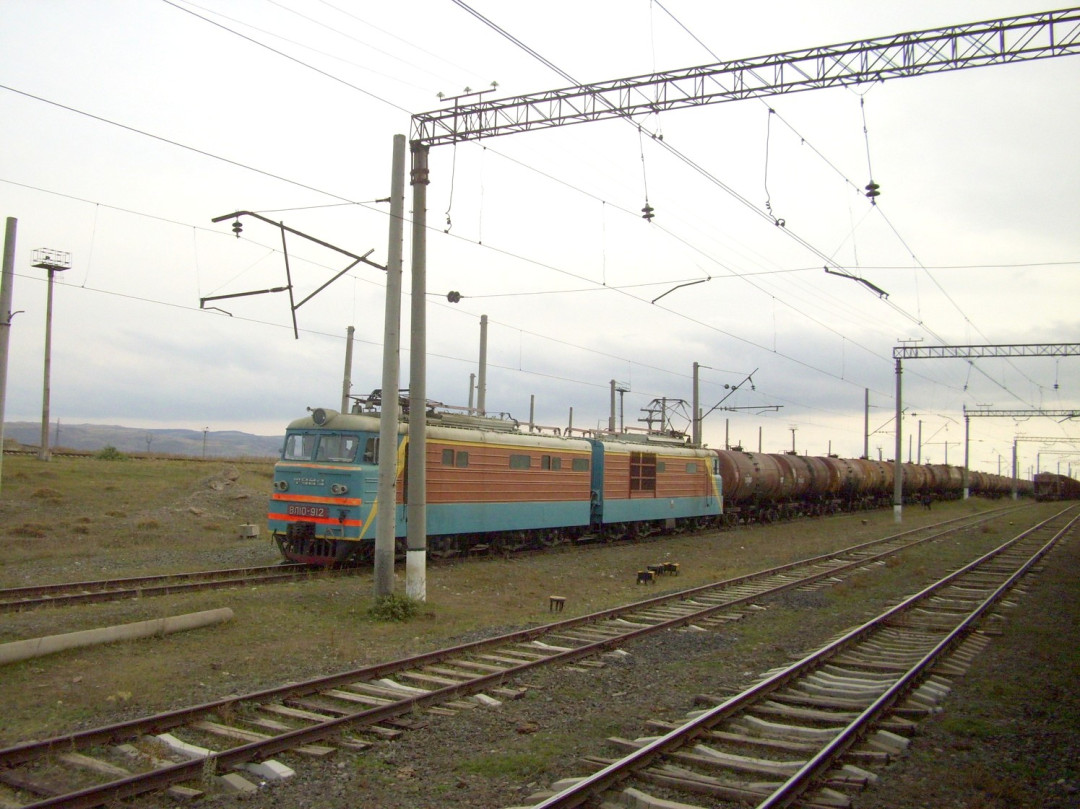
By Elen Muradyan
Armenia may take back control of key railway sections currently operated by a Russian concessionaire if promised investments are not carried out on time, Prime Minister Nikol Pashinyan said on Thursday.
Speaking at a government briefing, Pashinyan said Armenia is ready to restore critical railway infrastructure using state funds should the Russian side fail to meet its contractual obligations within a reasonable timeframe.
He said the issue was discussed during his December 22 meeting with Russian President Vladimir Putin in St. Petersburg, where the two sides reviewed practical steps for rebuilding infrastructure linked to regional unblocking efforts.
Pashinyan specified several rail sections under the Russian concession that Armenia considers a priority for rehabilitation. These include the Tavush section, at least in the first stage up to and including the Ijevan railway station, the stretch from the Armenia–Turkey border at Akhurik to the currently operational network, and the section running from the Armenia–Nakhichevan border to Yeraskh.
“We consider it important that restoration work begin as soon as possible on these sections,” Pashinyan said, adding that Yerevan hopes Russia will move quickly to implement the necessary works.
“If it turns out that the Russian Federation has difficulties carrying out these works within an appropriate timeframe, the Armenian government may reclaim those sections from the concession and finance their restoration from the state budget,” he said.
Under the 2008 concession agreement, Russian Railways (RZD), through its subsidiary South Caucasus Railway, committed to the long-term management and modernization of Armenia’s railway system for 30 years. Specifically, RZD took on the obligation to invest approximately $570 million in infrastructure, including rehabilitating tracks, bridges, and stations, as well as upgrading the rolling stock with modern locomotives and passenger carriages. Additionally, the company was tasked with improving operational safety, maintaining the workforce, and enhancing the efficiency of both freight and passenger transportation services while keeping the ownership of the physical assets under the Armenian state.
Armenia’s railway network remains blockaded and isolated from the global rail system due to closed borders with Turkey and Azerbaijan. This leaves the network with no direct land connection to the outside world, making the link through Georgia the only operational route. The ultimate destination for Armenian trains is the Georgian port of Poti.

 Stories